

Business Court Interprets 'Responsible Third Party' and 'Harm for Which Recovery Is Sought' Under Chapter 33
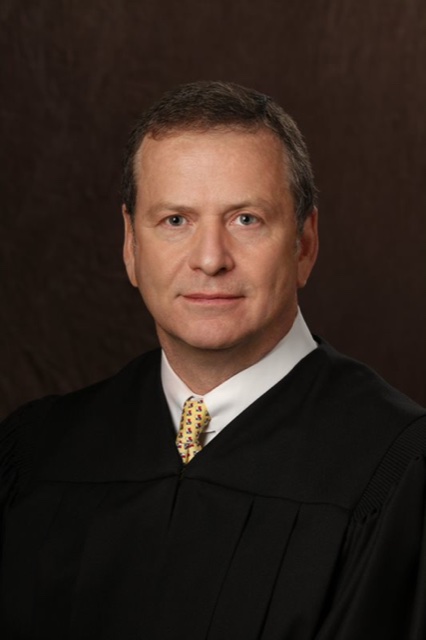 Judge Bill Whitehill
In Preston Hollow Capital v. Truist Bank, the Texas Business Court interpreted Civil Practice & Remedies Code Chapter 33's definition of "responsible third party," focusing on the statutory phrase "the harm for which recovery of damages is sought." Judge Whitehill's memorandum opinion addresses how this language determines which non-parties may be designated as responsible third parties in proportionate responsibility disputes.
Court Staff Summary
This opinion addresses Civil Practice & Remedies Code Chapter 33’s definition of “responsible third party” and the meaning of “the harm for which recovery of damages is sought,” as used therein.
Background
Preston Hollow Capital brought suit against Truist Bank in a dispute that required the Texas Business Court, Division 1, to interpret key provisions of the Texas proportionate responsibility statute. The case presented questions about how Chapter 33 of the Civil Practice & Remedies Code applies when parties seek to allocate fault to non-parties through the responsible third party mechanism.
The Statutory Interpretation Question
The central issue before Judge Whitehill was the proper construction of Chapter 33's "responsible third party" definition, particularly the meaning of the phrase "the harm for which recovery of damages is sought." This language determines which non-parties may be designated as responsible third parties for purposes of allocating percentages of responsibility under Texas's proportionate responsibility regime.
The Court's Opinion
Judge Whitehill's memorandum opinion addresses Civil Practice & Remedies Code Chapter 33's definition of "responsible third party" and the meaning of "the harm for which recovery of damages is sought," as used therein. The opinion interprets how this statutory phrase delimits the universe of potential responsible third parties in proportionate responsibility cases.
Significance for Texas Commercial Practice
This opinion provides guidance for commercial litigators handling multi-party disputes in Texas courts. The Business Court's interpretation of Chapter 33's responsible third party provisions will influence litigation strategy in cases involving fault allocation among multiple potential wrongdoers. Practitioners defending commercial claims will need to consider this ruling when evaluating whether to designate responsible third parties, while plaintiffs must account for how the court's construction of "the harm for which recovery of damages is sought" may affect their ability to recover damages from named defendants.